

LEARN CENTER GUIDE #3
Why Does My Hot Tub Water Foam?
Foamy water is one of the most common hot tub frustrations. While it's usually not a sign that something is broken, it is a sign that your water needs attention.
You've probably experienced it.
The water looked perfectly fine yesterday. Today you turn on the jets and suddenly bubbles begin collecting across the surface, forming a thick layer of foam.
It's frustrating because the water may still look clean.
In most cases, foam isn't caused by the hot tub itself. It's caused by contaminants that have gradually accumulated in the water over time.
The good news is that foam is usually easy to understand, and often prevent.
What Causes Hot Tub Foam?
Foam develops when tiny air bubbles become trapped by contaminants in the water.
When the jets are running, they inject air into the water.
Normally those bubbles pop almost immediately.
When oils and dissolved contaminants build up, they stabilize those bubbles, allowing foam to collect across the surface.
The foam itself isn't usually the problem.
It's simply revealing what's already in your water. This is similar to how clear-looking water can still need attention.
The Most Common Causes of Foamy Water
Body Oils and Sweat
Every person who uses a hot tub leaves behind natural oils and perspiration.
Over time, these contaminants accumulate faster than filters can remove them.
Lotions, Sunscreen, and Cosmetics
Moisturizers, sunscreen, makeup, hair products, and perfumes all enter the water during normal use.
These products are one of the biggest contributors to foamy water.
Detergent Left in Swimsuits
Many people don't realize that laundry detergent remains trapped in swimsuits after washing.
When the swimsuit enters the hot tub, small amounts of detergent dissolve into the water and encourage foam.
One simple solution is to rinse swimsuits thoroughly using only clean water after washing.
Old Water
Even with proper maintenance, hot tub water doesn't last forever.
As dissolved solids continue building over time, the water becomes more likely to foam.
Sometimes the most effective solution isn't another chemical, it's fresh water. If the water has reached that point, learn when to drain and refill your hot tub.
Unbalanced Water Chemistry
Water that's out of balance can make it more difficult for sanitizer to do its job.
When contaminants begin accumulating, foaming often becomes more noticeable. If balancing becomes difficult, it may help to understand why hot tub chemicals can stop working effectively.
Is Foam Dangerous?
Usually, no.
Foam itself isn't harmful.
However, it often indicates that contaminants have built up in the water or that the water chemistry needs attention.
Ignoring persistent foam can eventually lead to larger water quality problems. If the water also turns hazy, review what causes cloudy hot tub water.
How to Get Rid of Hot Tub Foam
If your hot tub begins foaming, start with the basics.
- Test the water.
- Verify sanitizer levels.
- Check pH and alkalinity.
- Clean your filters.
- Reduce contaminant buildup.
- If the water is several months old, drain and refill the spa.
Foam suppressants may temporarily hide the problem, but they rarely solve the underlying cause.
Can You Prevent Foam?
Yes.
Foam is often preventable through routine maintenance and a few simple habits.
Helpful practices include:
- Shower before using the hot tub.
- Rinse swimsuits thoroughly after washing.
- Keep sanitizer properly maintained.
- Clean filters regularly.
- Replace water on schedule.
Small habits can significantly reduce contaminant buildup over time.
When Fresh Water Is the Best Solution
Sometimes homeowners continue adding chemicals hoping the foam will disappear.
If your water is old, heavily used, or becoming increasingly difficult to balance, replacing the water is often faster, simpler, and more effective than continuing to treat it.
Fresh water gives your chemistry a clean starting point.
The Bottom Line
Foam isn't something to panic about.
It's simply your hot tub letting you know that contaminants have accumulated in the water.
Routine maintenance, balanced chemistry, clean filters, and fresh water when needed will prevent most foaming issues before they become frustrating.

Why Clear Water Isn't Always Healthy Water
Learn why appearances can be deceiving and why healthy hot tub water depends on more than clarity alone.
Explore Guide
What Causes Cloudy Hot Tub Water?
Discover what cloudy water reveals and why solving it usually requires more than one simple fix.
Explore Guide
Why Do Hot Tub Chemicals Stop Working?
Understand how water changes over time and why adding more chemicals is not always the right answer.
Explore Guide
When Should You Drain & Refill Your Hot Tub?
See what affects refill timing and why fresh water can be one of the most effective steps in long-term hot tub care.
Explore Guide
What Is Biofilm?
Learn how biofilm forms inside hot tub plumbing and why it matters even when water appears clear.
Explore Guide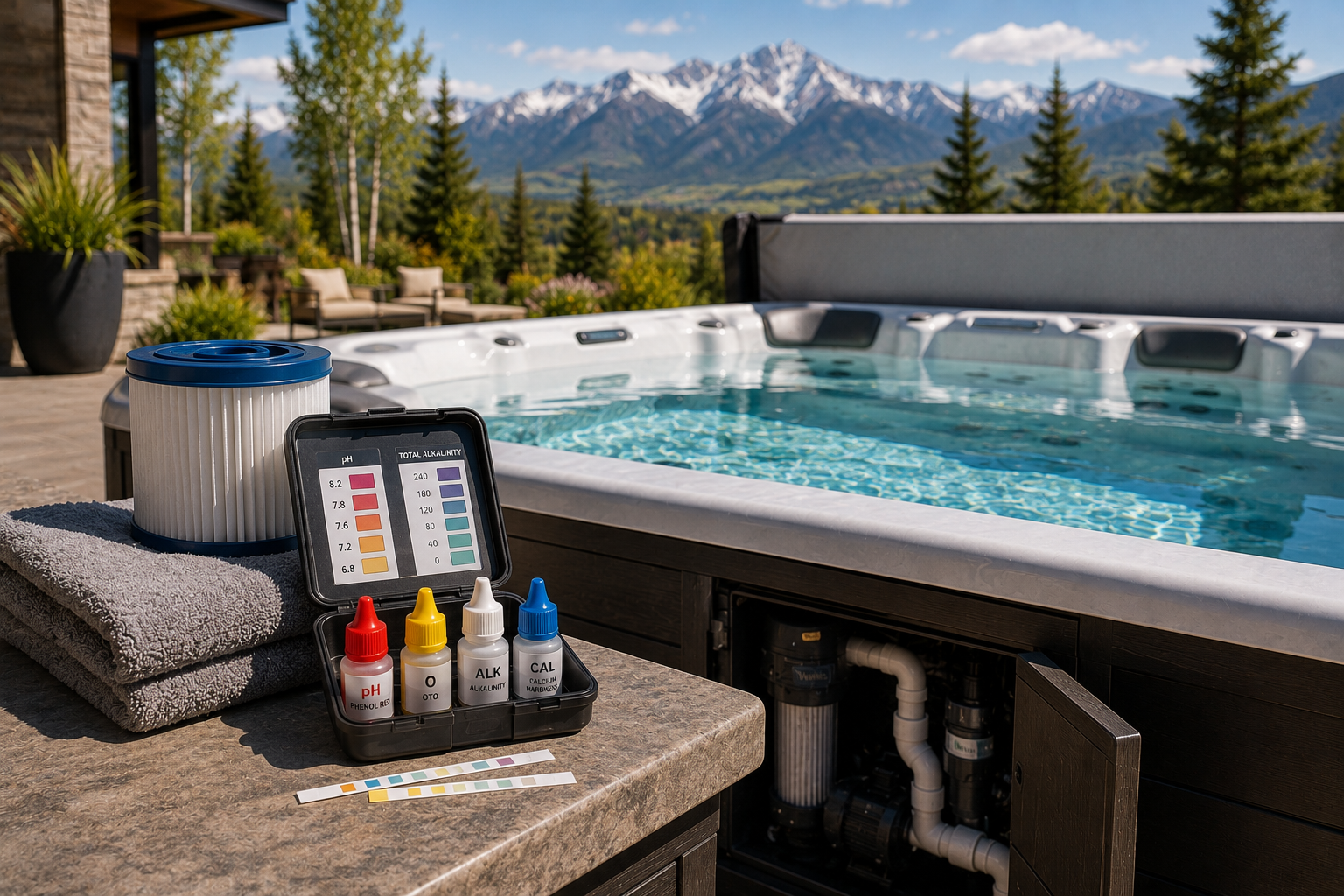
How Water Chemistry Protects Your Hot Tub
See how balanced water helps protect heaters, pumps, plumbing, seals, filters, and the complete spa system.
Explore Guide